

Welcome to a fresh piece of content where i will interpret my version of Kapnapahar Tea Estate as an employee from starting the day until it’s finished. Moreover, I will share how we blend our efforts, from garden to factory, in pursuit of the tea we love. The wonderful drink you may be enjoying.
Where is it actually located
Kapnapahar Tea Estate is situated in the heart of Sylhet Division, Moulvibazar District, just a short five-to-seven–minute drive from Juri Bazar. Locals often smile when they hear its name—Kapnapahar—. There is a very old general belief among people that if you want to become tension-free and enjoy your life, then Kapnapahar is the best place.
If you’ve ever wandered through the lush landscapes of Kapnapahar, you might be curious about the origin of its unique name. The mystery lies just beneath the surface of its ancient waters.This wonderful place is well known for its surroundings, in particular for its abundance of oysters and freshwater snails. In the local Bengali dialect, the word for snail is “Kapna.”
The estate itself is spread across two divisions, KP and KK, each carrying its own character yet bound by the same rhythm of tea and tradition. Together, they form a landscape where history, nature, and community blend seamlessly into the story of every leaf.
How Morning being passed at the gardens
The morning sun of Kapnapahar tea estate is mesmerising. When the first rays slip over the rolling hills, it looks like an eternal place. When ray reflect on the tea plants, it looks like a painting of artist.
The tea estate wakes before the sun arise. As the worker had go to work by sharp 9:00 Am, so they finish their houshold work. Moreover, tea garden people believe in universal rule of early to rise, and our garden is not an exception. Morning is not just the beginning of the day here, its the symbol of ritual connections.
Let’s dive into present
Right now, it is the middle of summer, we have had fare amount of rain in the past 30 days, which was really crucial. So we can expect a good amount of crop to be harvested by the end of the season. Last year, we surpassed 5 Lac kg of made tea. It is hard to predict this year’s outcome; however, the initial sign is pretty good and indicates some decent results.
We pluck the dream, not the leaves
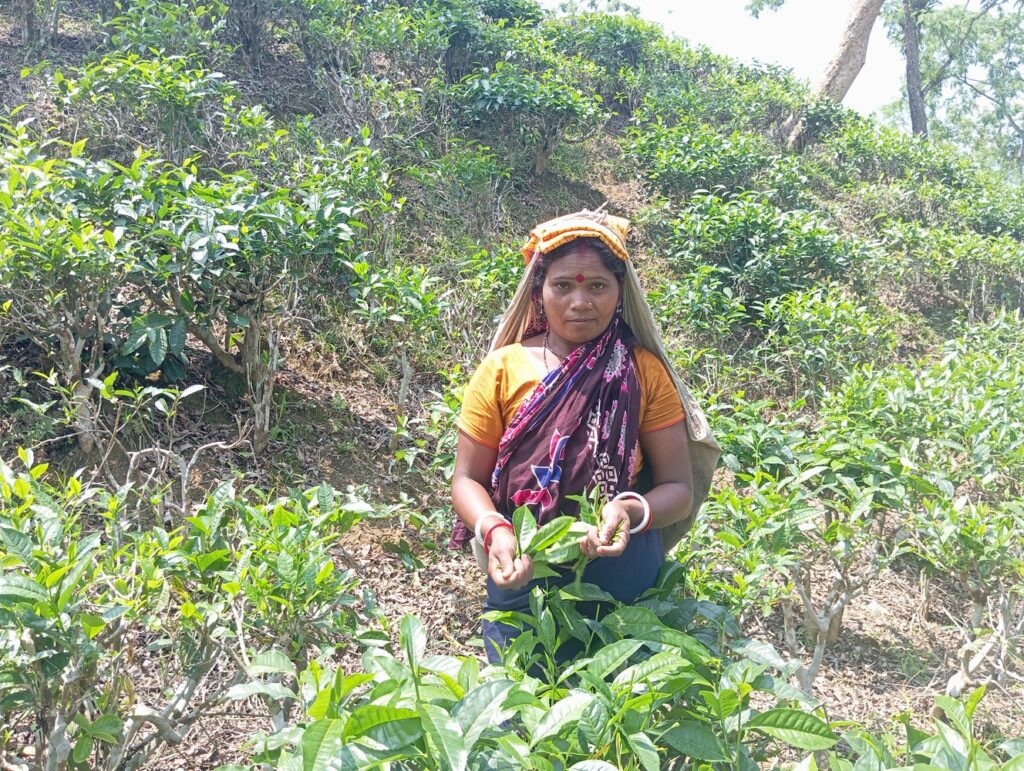
At 9:00 in the morning, pluckers head towards the plucking section with their specialized gamcha. They used to store the tea leaves.
Each green leaves cary the dream of every individual who is associated with it, from owner to worker.
In general by 12:30 at noon first weigment is start, every plucker came from sections and stand in queue to weight their tea leaves. It is really fascinating to as they stand with the most desirable thing(tea leaves) in their head. We have 4 Tiilah clark in two divisions who conduct this process.
After being plucked and weigtment is done through the blueeye technology(by softweb). Tea leaves carry by each plucker to the tractor (tractor is a traditional vehicle which tailored made for hilly and muddy roades) . Then fully loaded tractor with green leaves bring to the factory and then it stored in the greenleaf loading area for brief period of time.
I walk along maloti bhuyian, one of our finest and experienced plucker, who spent 20 years in this work. Her hands moves with precision of an artist, each leaf is choosen with a lot of care. She laughs when i ask how she knows which one to pick. She told with a lot of smile in her face ” i am doing this for 20 years so it have to be decent”.
Green Leaf Loading Area
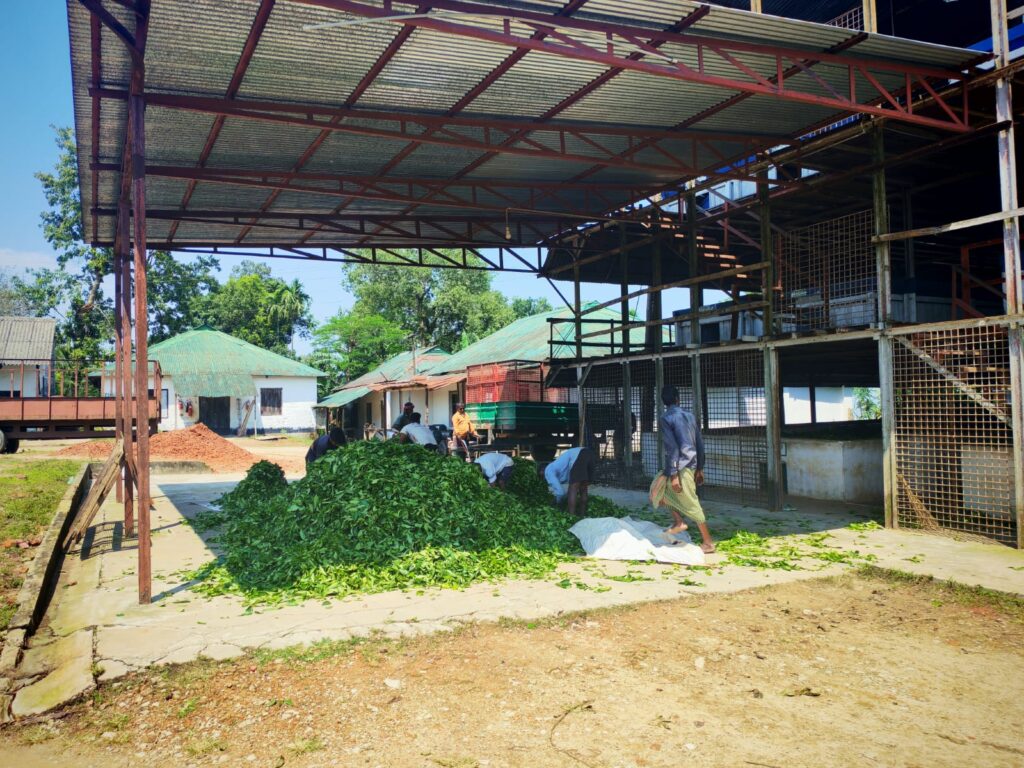
After being plucked, this is the place where the tea leaf is stored for a brief period of time. This is a very common practice maintained by various tea gardens. Tea leafs then transferred to the weathering house using a gamcha.
Withering & process
After being plucked, the weight is determined through the blueeye technology(by Softweb). Tea leaves are carried by each plucker to the tractor (tractor is a traditional vehicle which tailored for hilly and muddy roads). Then fully loaded tractor with green leaves is brought to the factory and then it is stored in the greenleaf loading area for a brief period of time.
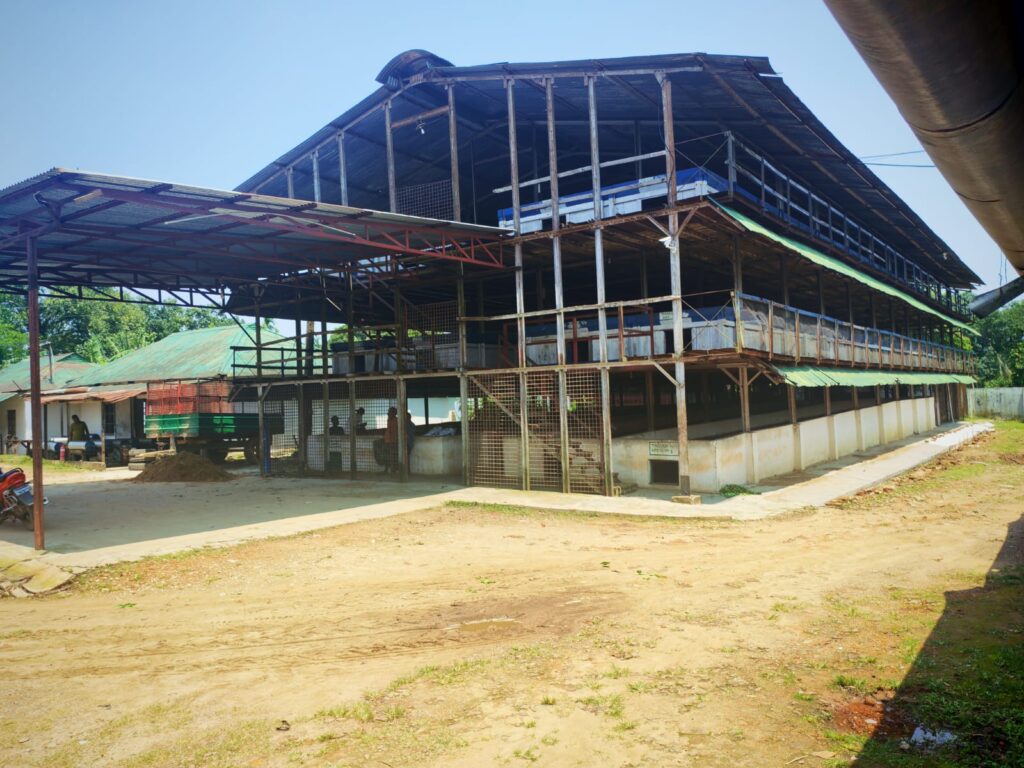
Then the assigned worker carries tea leaves to the withering house. Spread them out in long troughs. Where airflow and heat are used to remove the moisture by certain level. Where tea leaves are kept for at least 20-24 hours before they are put into ctc.
We generally bring the withered leaves to the factory manually, where they are stacked for putting into the rotorvon machine.
Rolling & Googie
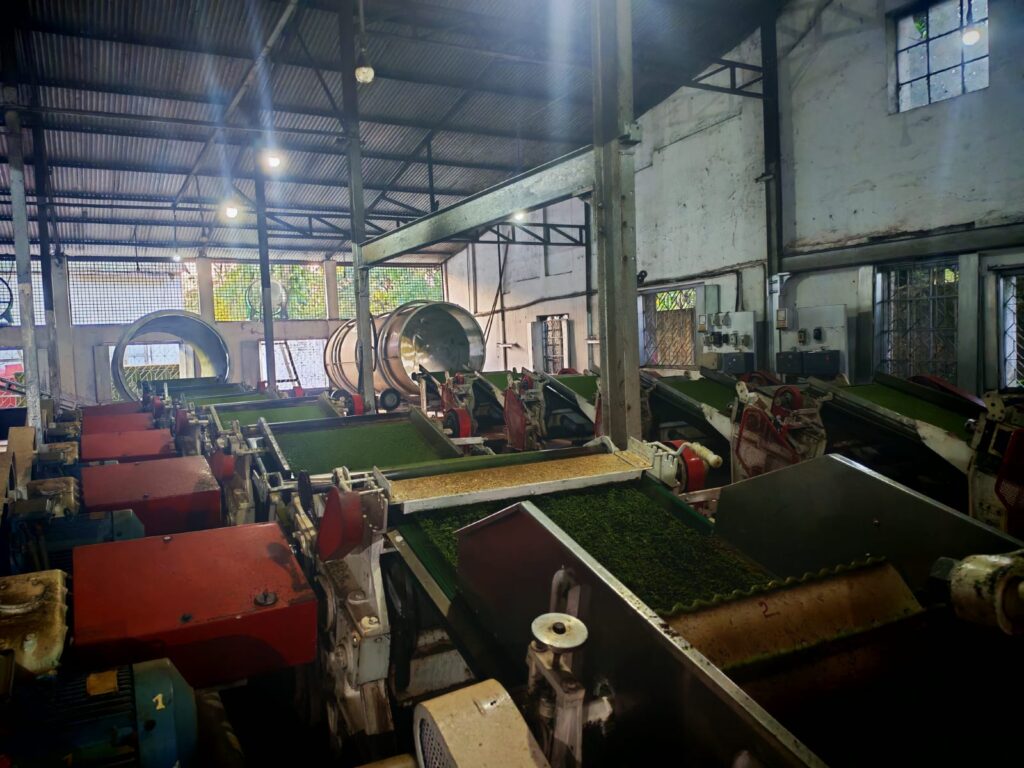
We use CTC roller to twist the leaves, unlocking their natural juices. That is where tea leaves start to change their characteristics. The rolled tea leaves then move forward to the goggie machine. The people behind the leaves- for me, the most phenomenal part of the Kapnapahar Tea Estate is not the machinery or the lands.
Oxidation
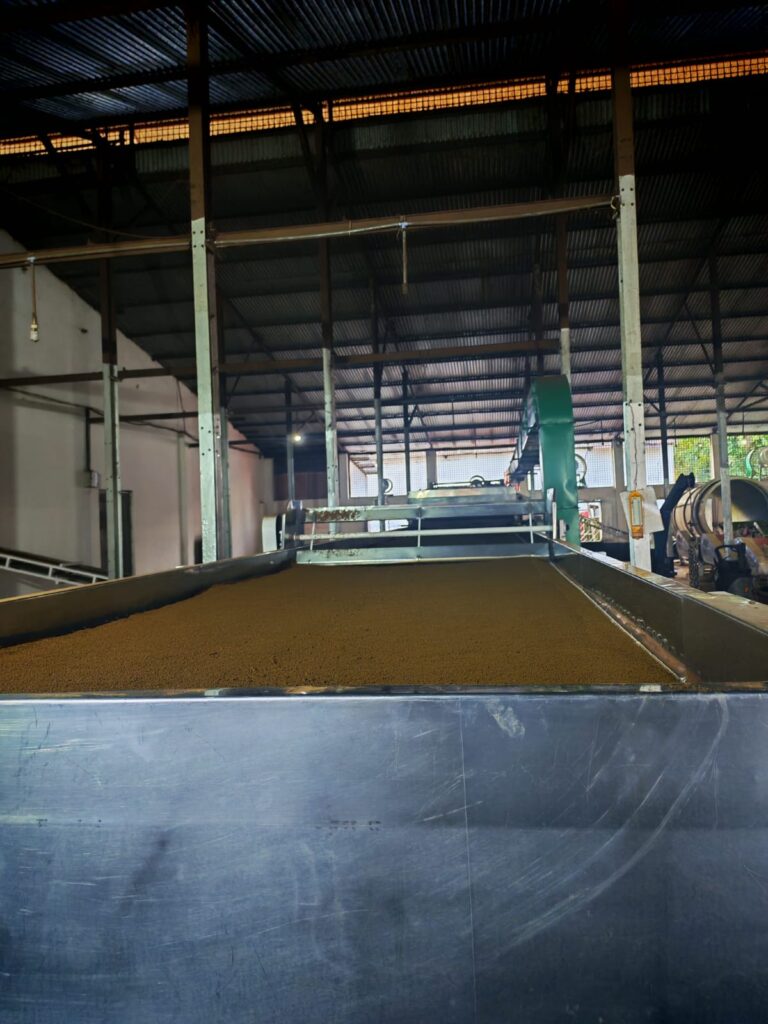
Here is where true transformation is occur. The rolled leaves are laid out to rest and with in a certain miniute it begins to change color, green becoming coppery brown. The aroma get deeper, carrying out a malty, fruity flavour. This stage is the decisive factor in tea production, whether the tea will be brisk and strong or mellow or smooth.
Drying & Sorting
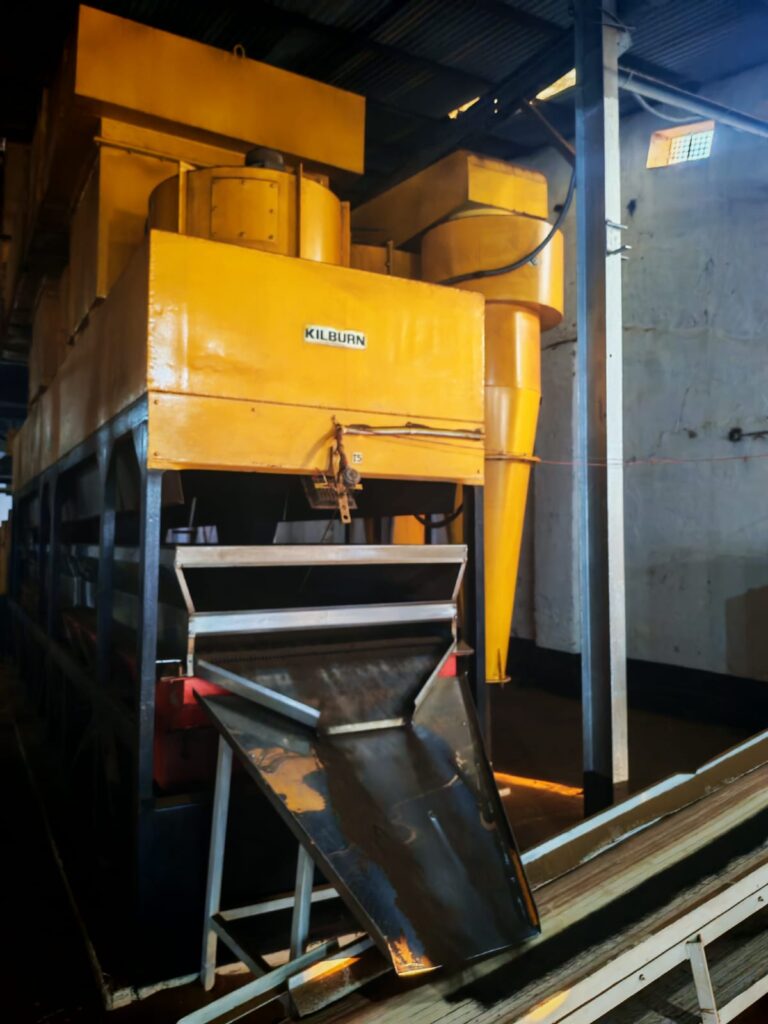
The final game is drying before it can be served. The leaves dry under controlled heat, locking the flavour. After drying, the tea is separated by its size and quality- some to be used for breakfast, others for delicate afternoon refreshment.
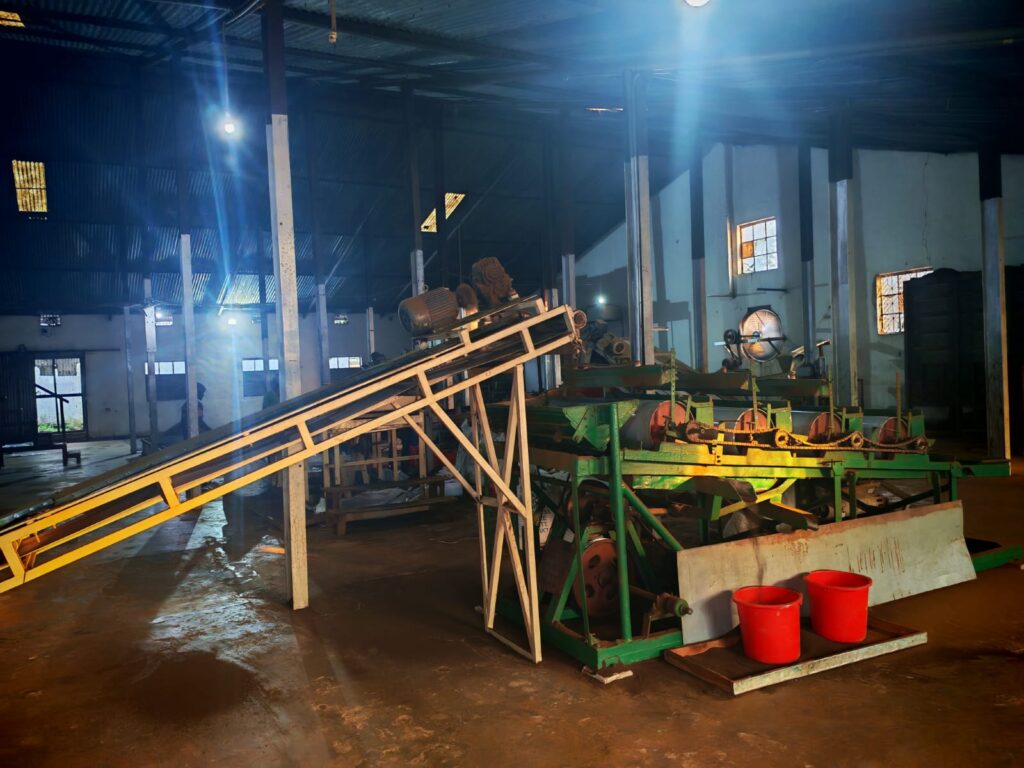
At midday, the tea estate slows by little for having some food. Worker united under trees sharing rice and vegetables (which they called dana). Young kids play nearby, chasing each other throughout the garden paths. For a moment, the tea estate is not industry – it is a community.
A small but robust math
Each kilogram of finished tea requires 4kg of tea leaves. Which means one third of the tea leaves get whipped out during the making process. Which is itself a big irony, can be a matter of wonder for many people.
A Manager who is standing tall to act as a savour

Since 1981, Kamrul Hasan’s expertise has guided Kapnapahar Tea Estate in a great way. His relentless work ethic has made sure to remain competitive from its very inception. Today, as the tea industry is struggling to find a way to provide basic wages, Kapnapahar stands out as a rare success story.
Under his leadership, this tea estate maintained sound records by ensuring that both labour staff payments were cleared on time. In an era of uncertain industry despite all the challanges has turned Kapnapahar as one of the role models for financial stability.
About The Author






Leave feedback about this